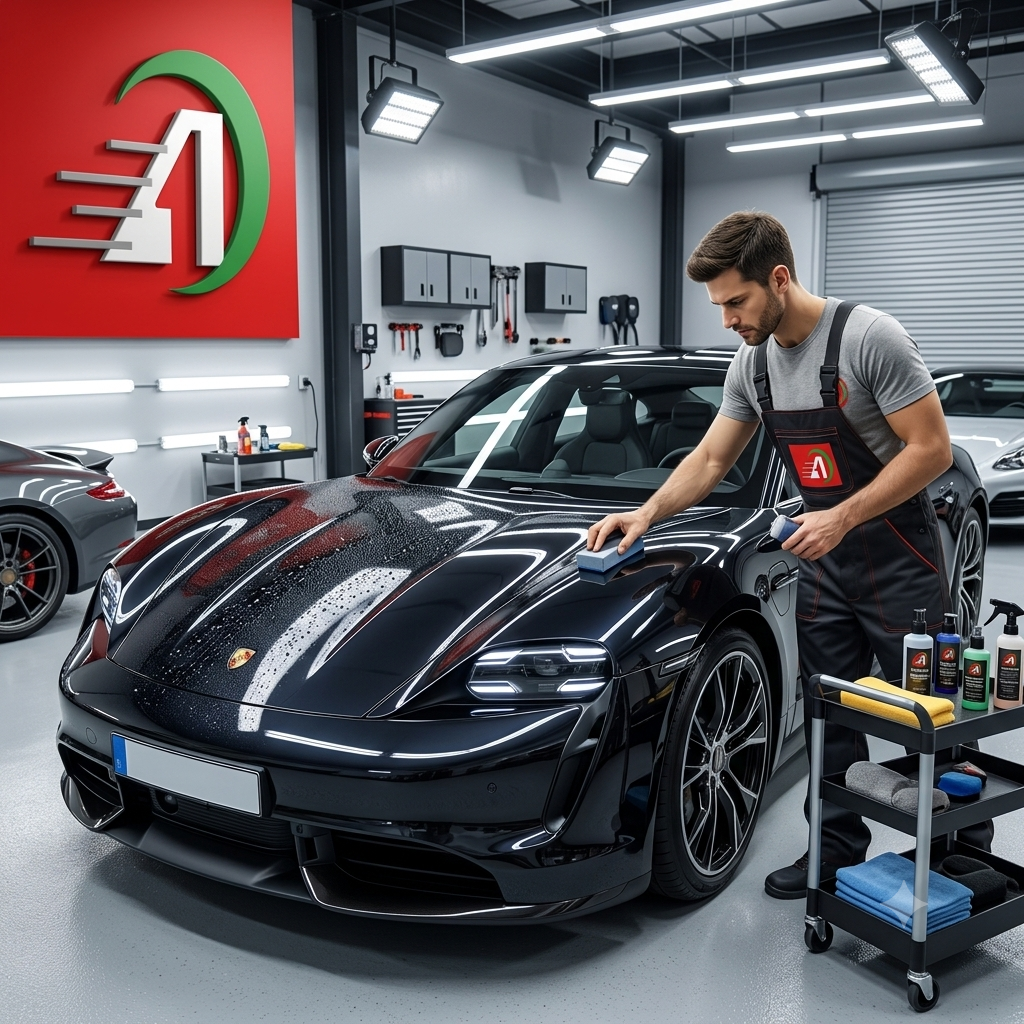
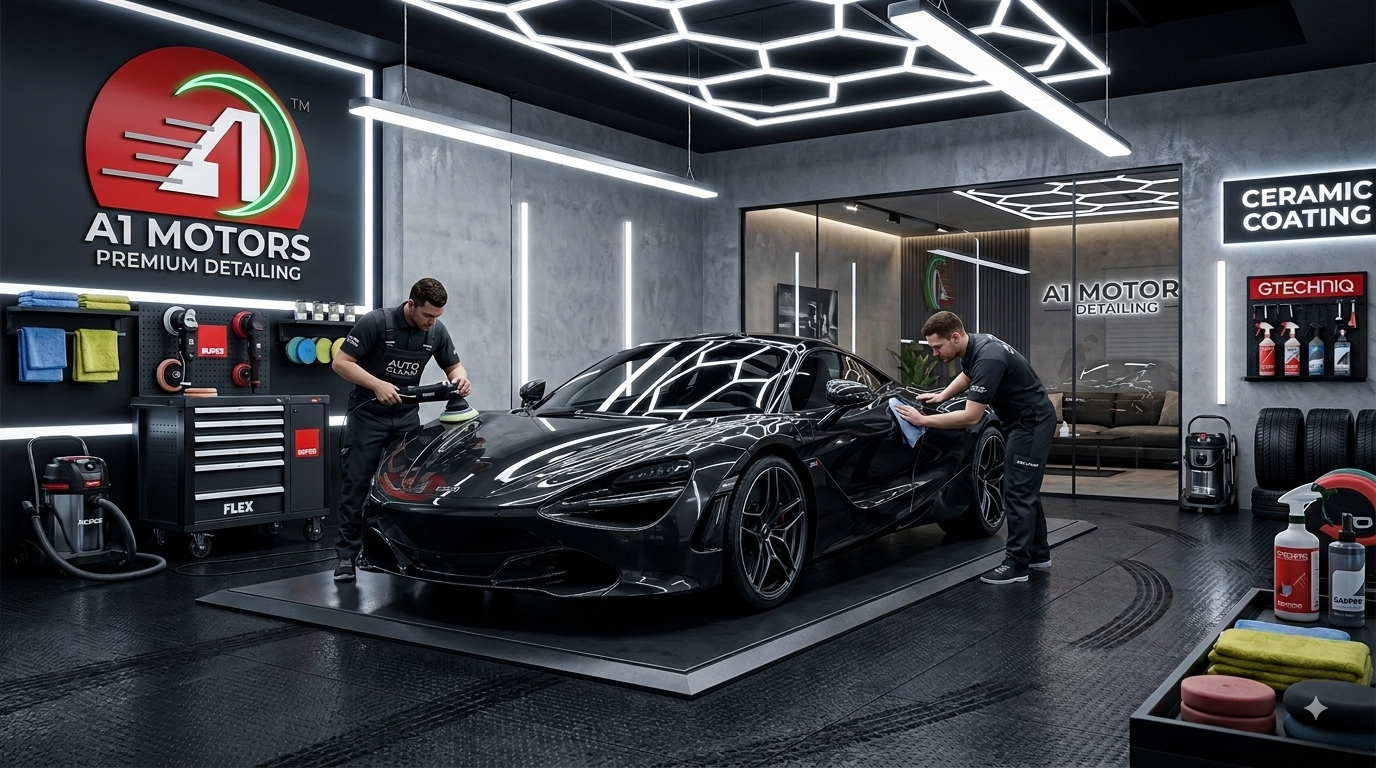
Ceramic Coating in Mira Roadhas become a popular choice for car owners who want their vehicle’s paint to look sharper for longer while being easier to maintain. In simple terms, ceramic coating is a liquid polymer applied to a vehicle’s exterior that bonds with the factory paint to create an extra protective layer. Many owners consider it after noticing how quickly dust, water spots, and everyday grime can dull a car’s finish, especially in a coastal city like Mumbai. When applied correctly, ceramic coating can enhance gloss, help water bead off the surface, and make routine washing simpler. However, the result depends heavily on proper surface preparation and professional application. At A1 Motors, we focus on getting the preparation and process right, so car owners in Mira Road can enjoy a well-protected, better-looking vehicle without unrealistic promises.
What Is Ceramic Coating for Cars?
Ceramic coating is a liquid product, usually based on silicon dioxide (SiO2) or similar compounds, that is applied by hand to a vehicle’s painted surfaces. Once cured, it forms a semi-permanent protective layer over the paint. Unlike wax, which sits on top of the surface and wears off relatively quickly, a properly applied ceramic coating chemically bonds to the paint, offering a more durable layer of protection.
How Ceramic Coating Works
The coating is applied in thin layers onto a clean, properly prepped surface. As it cures, it forms a hard, glossy layer that acts as a barrier between the vehicle’s paint and external elements like dust, UV rays, and minor chemical contaminants. This bond is what gives ceramic coating its durability compared to traditional wax products, though the actual performance always depends on the quality of preparation and application.
Ceramic Coating vs Traditional Wax
Here’s how the two generally compare:
Factor
Ceramic Coating
Traditional Wax
Durability
Longer-lasting when properly applied
Wears off within weeks
Gloss
Deep, glass-like finish
Warm gloss, less pronounced
Maintenance
Easier to maintain over time
Requires frequent reapplication
Water Behavior
Strong hydrophobic beading
Moderate water beading
Paint Protection
Added barrier against contaminants
Light surface protection
Reapplication
Less frequent, model-dependent
Every few weeks
It’s important to note that ceramic coating does not make a car scratch-proof. It adds a protective layer, but it won’t prevent deep scratches from careless washing, keys, or road debris.
Benefits of Ceramic Coating in Mira Road
Enhanced Paint Gloss
A well-applied ceramic coating can add visual depth to your car’s paint, giving it a richer, glossier appearance that many owners compare to a “wet look” finish.
Easier Car Cleaning
Since the coated surface is smoother and more resistant to contaminants sticking to it, regular washing tends to become quicker and less effort-intensive.
Hydrophobic Water Behavior
One of the most noticeable effects of ceramic coating is how water beads up and rolls off the surface instead of spreading out, which also helps reduce water spot formation.
Protection Against Environmental Contaminants
Mira Road’s coastal humidity and traffic dust mean vehicles are regularly exposed to:
Dust and road grime
Bird droppings
Tree sap
Water spots
Pollution-related residue
A ceramic coating adds a layer that can make it harder for these contaminants to bond directly with the paint, though it does not offer unlimited or permanent protection — regular care is still required.
Why Choose Professional Ceramic Coating in Mira Road?
Proper Paint Inspection
Before any coating is applied, the vehicle’s paint condition should be assessed for existing swirl marks, oxidation, or damage that may need to be addressed first.
Thorough Surface Preparation
This typically includes a proper wash, decontamination to remove embedded particles, and paint correction if the surface has visible imperfections.
Controlled Application
Ceramic coating products usually come with manufacturer-recommended application guidelines regarding layering, curing time, and environmental conditions — following these closely affects the final result.
Proper Curing
After application, the coating needs time to cure undisturbed. Exposing the vehicle to water or dust too early can affect how well the coating bonds.
Ceramic Coating Process at A1 Motors
While the exact process can vary depending on the vehicle’s condition and the coating product used, a professional ceramic coating job generally follows these steps:
Step 1 – Vehicle Inspection
The paint condition is reviewed to identify existing damage, oxidation, or areas needing special attention.
Step 2 – Exterior Wash
A thorough wash removes surface-level dirt and loose contaminants before any further work begins.
Step 3 – Paint Decontamination
Embedded particles that a regular wash can’t remove, such as tar or iron deposits, are treated separately.
Step 4 – Paint Correction if Required
If swirl marks, light scratches, or oxidation are present, correction may be carried out depending on the vehicle’s condition and the client’s requirements.
Step 5 – Surface Preparation
The paint is prepped to ensure it’s free of oils, residues, or polishing compounds that could interfere with the coating’s bond.
Step 6 – Ceramic Coating Application
The coating is applied in careful, even layers as per the product’s recommended process.
Step 7 – Curing and Final Inspection
The vehicle is left to cure under suitable conditions, followed by a final check to ensure even, consistent application.
Which Cars Can Benefit From Ceramic Coating?
New Cars
Many owners choose to apply ceramic coating soon after purchase to help protect the factory paint from the very beginning.
Luxury Cars
For premium vehicles, maintaining a flawless exterior appearance often matters as much as mechanical performance, making paint protection a priority.
Daily-Driven Cars
If your car faces regular exposure to traffic, dust, and weather, the easier cleaning and added protection can be especially useful.
Pre-Owned Cars
For used vehicles, it’s important to first inspect the paint condition and carry out any necessary correction before applying a coating, since coating over damaged paint won’t fix existing issues.
Ceramic Coating vs Paint Protection Film
These two protection methods serve different purposes, and it helps to understand the distinction:
Ceramic Coating: Primarily provides surface-level protection, added gloss, hydrophobic water behavior, and easier maintenance.
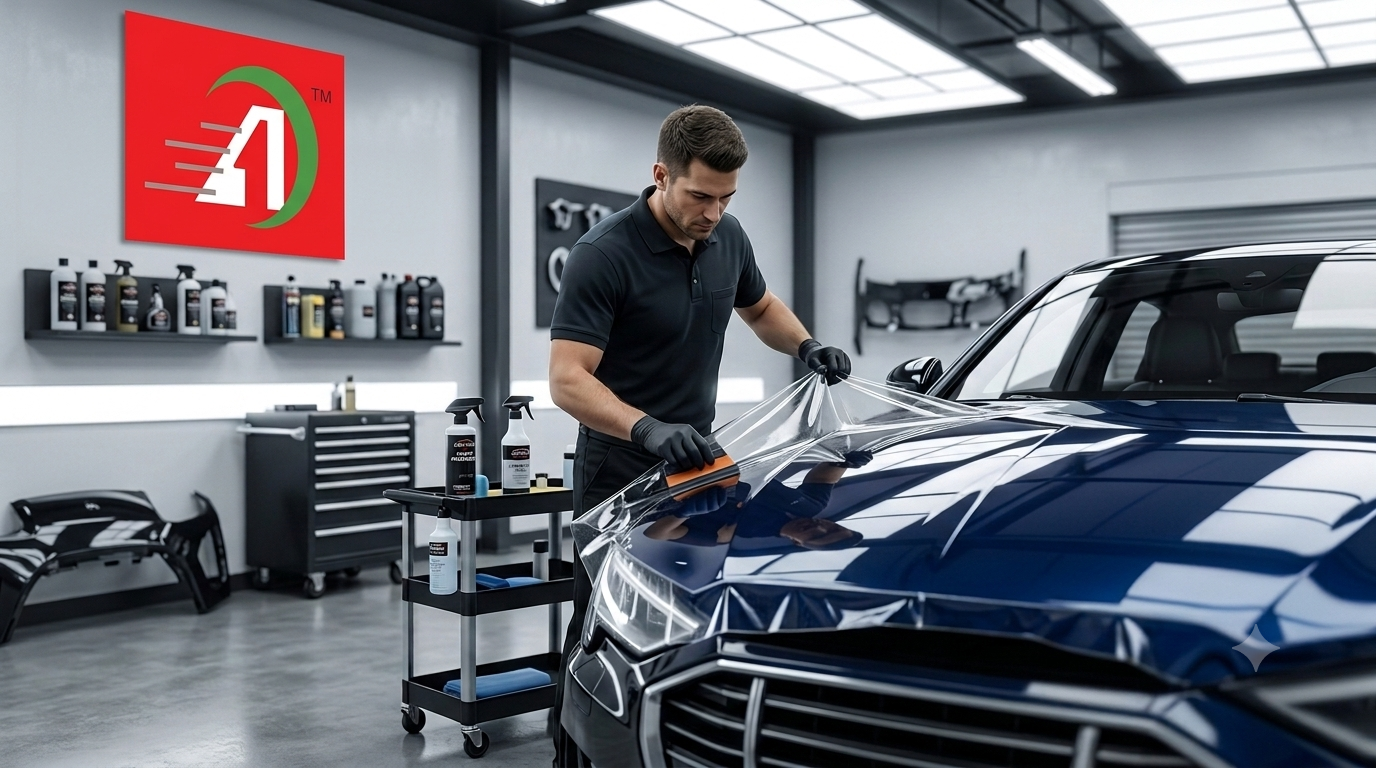
PPF (Paint Protection Film): A physical film applied to the vehicle’s surface, designed to offer stronger protection against certain physical impacts, stone chips, and minor abrasions.
Ceramic coating does not replace PPF, and many vehicle owners actually use both together — PPF for physical impact protection and ceramic coating for gloss, ease of cleaning, and additional surface protection.
How Long Does Ceramic Coating Last?
The lifespan of a ceramic coating isn’t fixed and depends on several factors:
The specific coating product used
Number of layers applied
Quality of surface preparation
Application technique
How the vehicle is used day to day
Washing habits and products used
Environmental exposure (sun, humidity, pollution)
Ongoing maintenance routine
Because these factors vary from vehicle to vehicle, it’s best to rely on the actual coating manufacturer’s guidance for expected durability rather than a generic number.
Ceramic Coating Maintenance Tips
Use Proper Car Wash Methods
Stick to the two-bucket wash method and pH-neutral car shampoos to avoid stripping the coating prematurely.
Avoid Harsh Cleaning Chemicals
Strong degreasers or acidic cleaning agents can weaken the coating’s protective properties over time.
Follow Recommended Maintenance
Some coatings benefit from periodic maintenance products or top-ups — check what’s recommended for your specific coating.
Remove Contaminants Promptly
Bird droppings, tree sap, and bug residue should be cleaned off as soon as possible to prevent them from etching into the surface.
Schedule Professional Inspection When Required
If you notice reduced water beading or a duller finish over time, a professional check-up can help determine if maintenance or reapplication is needed.
Why Choose A1 Motors for Ceramic Coating in Mira Road?
At A1 Motors, our approach to ceramic coating centers on doing the fundamentals right:
A professional, methodical approach to every vehicle
Proper vehicle preparation before any coating is applied
Quality-focused application rather than rushed jobs
Honest customer consultation about what a coating can and cannot do
Suitable coating recommendations based on the vehicle’s condition and the owner’s needs
Close attention to finish quality throughout the process
After-service guidance so you know how to maintain your coated vehicle
We believe in giving customers realistic expectations and quality workmanship, rather than overselling what any single product can achieve.
Ceramic Coating in Mira Road for Local Car Owners
Car owners across Mira Road, Maharashtra, deal with a specific mix of coastal humidity, dust, and heavy traffic that can take a toll on a vehicle’s paint over time. Whether you’re based in Mira Road East or Mira Road West, or commuting from nearby areas like Bhayandar, Dahisar, or Borivali, having access to a professional ceramic coating service close to home makes it easier to keep your vehicle protected without long detours across the city.
A1 Motors serves car owners throughout this region, offering a convenient option for those who want professional paint protection without having to travel far from Mira Road and its surrounding suburbs.
Quick Answers Ceramic Coating for Cars
What is ceramic coating for cars? Ceramic coating is a liquid polymer applied to a car’s exterior that bonds with the paint to form a protective layer. It enhances gloss, supports hydrophobic water behavior, and can make cleaning easier, though it doesn’t replace careful driving and washing habits.
Is ceramic coating worth it for a daily-use car? For daily-driven cars exposed to dust, traffic, and weather, ceramic coating can make washing easier and help the paint stay glossier for longer. Whether it’s “worth it” depends on your budget, driving conditions, and how much you value easier maintenance.
How long does ceramic coating last? Ceramic coating durability varies based on the product used, application quality, surface preparation, and how the car is maintained afterward. There’s no fixed lifespan — always check the specific coating manufacturer’s guidance for accurate expectations.
Does ceramic coating prevent scratches? No. Ceramic coating adds a protective layer against environmental contaminants and light surface wear, but it does not make a vehicle scratch-proof. Deep scratches from careless washing or debris can still occur.
Frequently Asked Questions About Ceramic Coating in Mira Road
What is ceramic coating for a car? It’s a liquid protective coating applied to a vehicle’s paint that bonds with the surface to add gloss, hydrophobic properties, and a layer of protection against everyday contaminants.
Is ceramic coating available in Mira Road? Yes, A1 Motors offers professional ceramic coating services for car owners in Mira Road and nearby areas.
Is ceramic coating good for daily-use cars? It can be beneficial, especially for making routine cleaning easier and helping maintain the paint’s appearance despite regular exposure to dust and traffic.
Does ceramic coating prevent scratches? Ceramic coating offers some surface protection, but it is not scratch-proof and won’t prevent deep scratches from impacts or careless handling.
Does ceramic coating protect car paint from sunlight? Ceramic coatings can offer some resistance to UV-related fading, but the degree of protection depends on the specific product and application quality.
How long does ceramic coating last? Its lifespan depends on the product, application, vehicle usage, and maintenance — it’s best to refer to the specific coating manufacturer’s recommendations.
Can ceramic coating be applied to a used car? Yes, though the paint condition should first be inspected, and correction carried out if needed, before applying the coating.
How should I wash a ceramic-coated car? Use the two-bucket method with a pH-neutral shampoo, and avoid harsh chemicals or abrasive materials that could affect the coating over time.
Is ceramic coating better than car wax? Ceramic coating generally offers longer-lasting protection and gloss compared to traditional wax, which needs frequent reapplication. Each has its own use case depending on budget and expectations.
Why choose A1 Motors for ceramic coating in Mira Road? A1 Motors focuses on proper vehicle preparation, honest consultation, and quality-focused application, aiming to give Mira Road car owners a dependable local option for paint protection.
Conclusion
Choosing professional Ceramic Coating in Mira Road comes down to proper preparation, quality application, and realistic expectations about what the coating can do. It won’t make your car indestructible, but when done right, it can enhance gloss, simplify cleaning, and add a useful layer of protection against everyday contaminants. AtA1 Motors, we aim to guide Mira Road car owners through this process honestly — assessing your vehicle’s actual needs rather than overselling a one-size-fits-all promise.
[…] PPF in Mira Road is becoming a common choice for car owners who want an extra layer of protection between their vehicle’s paint and everyday road hazards. PPF, short for Paint Protection Film, is a clear, durable film applied to a vehicle’s exterior to help guard against stone chips, road debris, and minor surface abrasions. Many owners turn to it after noticing how quickly Mumbai’s traffic, dust, and highway driving can leave marks on a car’s paint. While PPF offers meaningful protection, it isn’t a cure-all — it won’t make your car damage-proof, and its effectiveness depends heavily on proper surface preparation and skilled installation. At A1 Motors, we focus on getting these fundamentals right, helping car owners in Mira Road make informed decisions about protecting their vehicle’s finish. […]
Your Trusted Local Destination For Quality Automotive Solutions
A1 Motors, Mira Road, is your trusted local destination for quality automotive solutions, offering a wide range of car accessories, vehicle servicing, and auto detailing under one roof.